
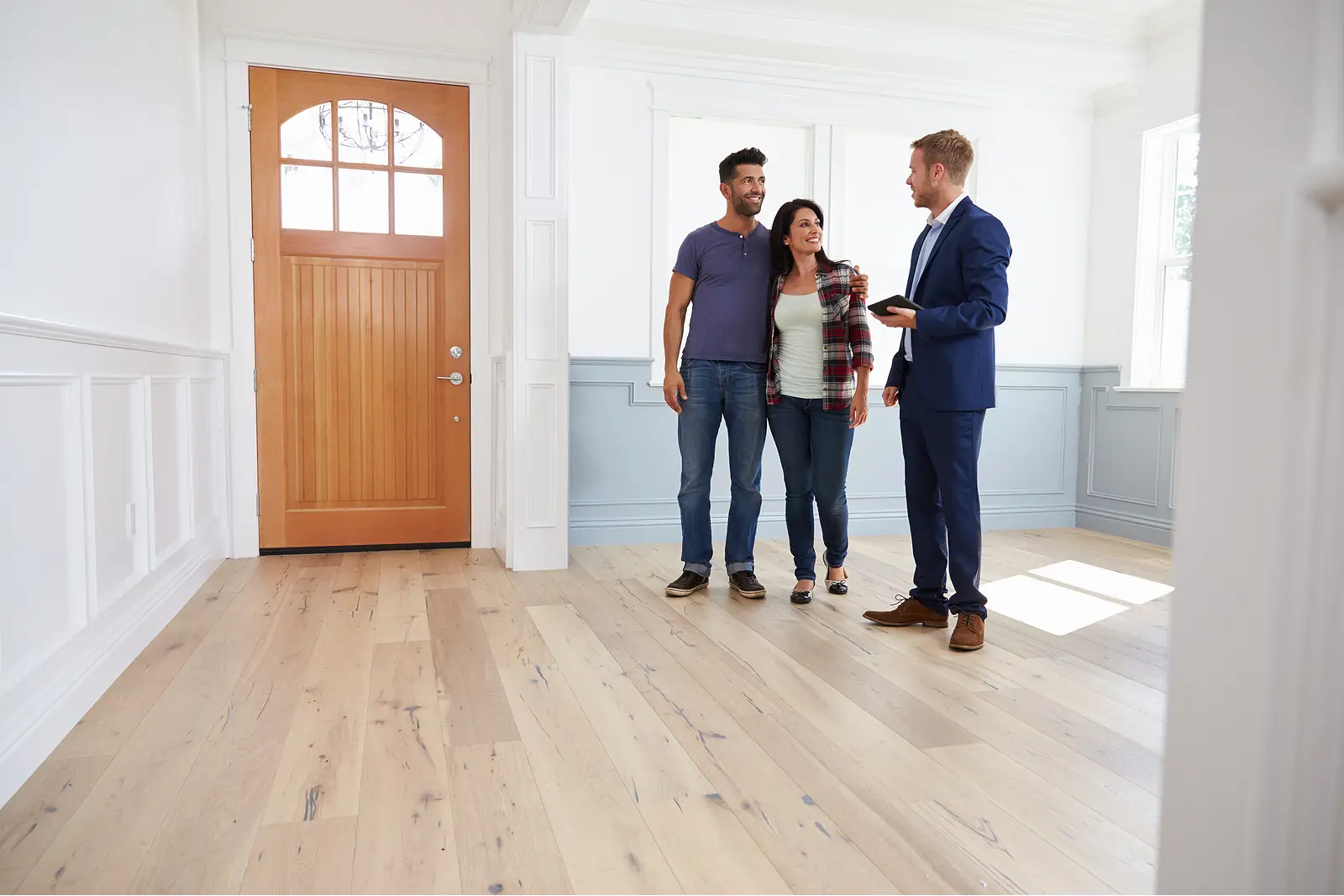
Before a showing turns into a serious conversation, patterns tied to pet-conscious leasing often reveal what renters notice first, and layout consistently leads the list. A rental that feels intuitive to move through builds confidence faster than one that depends on surface-level updates alone.
At PMI Coal Creek, we work with strictly residential property owners throughout Boulder, CO. Creating the best rental floor plans here means designing around how people actually live, move, and adapt, while keeping maintenance and management realistic for owners.
Key Takeaways
- Thoughtful floor plans help Boulder rentals lease faster and support longer tenancies.
- Clear circulation patterns reduce daily frustration for residents.
- Bedroom placement plays a major role in privacy and household balance.
- Flexible spaces improve appeal for evolving work and lifestyle needs.
- Kitchens, laundry access, and storage shape everyday livability.
Start With Flow That Feels Natural
Every effective rental layout begins with movement. When residents can enter, set things down, and transition into living areas without awkward detours or bottlenecks, the space feels welcoming instead of restrictive.
Boulder renters often tour multiple homes within a short time. If a layout feels confusing, prospects may not explain why, but discomfort sticks. Reviewing everyday paths such as entry to kitchen, kitchen to living area, bedrooms to bathrooms, and garage access helps identify friction early.
Entry Zones That Create Order
Even modest homes benefit from a defined entry area. A place for shoes, coats, and outdoor gear prevents clutter from spreading into living spaces and helps renters feel organized from the first day.
Protecting Personal Space
If guests must pass bedroom doors to reach shared areas, the home can feel intrusive. Adjusting furniture placement or door orientation can redirect traffic and preserve privacy without major changes.
Open Living Areas With Purpose
Open layouts remain popular because they allow light to travel freely and support shared activities like cooking, dining, and relaxing. In Boulder rentals, these spaces perform best when they feel intentional rather than undefined.
National housing data supports this preference, with 54% of new homes featuring open kitchen and dining designs. For rentals, balance matters more than openness alone.
Creating Zones Without Walls
Area rugs, kitchen islands, and lighting changes help distinguish cooking, dining, and lounging areas. These visual cues simplify furniture placement and help manage noise while keeping spaces open.
Extending Living Outdoors
Patios, decks, and yard access add usable space in Boulder’s climate. When outdoor areas connect directly to main living spaces, they feel like a natural extension of the home.
Bedroom Placement That Supports Comfort
Bedroom location has a direct impact on tenant satisfaction. Noise, light, and foot traffic can disrupt rest when bedrooms sit too close to active areas.
Layouts that consistently perform well often include:
- Split-bedroom arrangements separating primary suites from secondary rooms
- Buffer spaces such as closets or bathrooms between bedrooms and living areas
- Guest-accessible bathrooms that avoid passing sleeping spaces
When considering changes, owners benefit from understanding cost responsibilities. Reviewing maintenance fee coverage helps balance comfort improvements with long-term planning.
Flexible Rooms That Adapt Over Time
Rigid layouts limit who a rental appeals to. Flexible designs expand that reach. Many Boulder renters want rooms that can shift between home office, guest room, or creative space as needs change.
This trend mirrors broader workforce patterns, with 36.07 million remote part-time workers nationwide. Even renters who commute value a quiet, adaptable area for focus or study.
What Makes Flex Spaces Practical
Effective flex rooms offer separation, natural light, and enough wall space for desks or shelving. Neutral layouts allow renters to imagine different uses without feeling locked into one purpose.
Kitchens Built for Everyday Use
Tenants experience kitchens through workflow rather than finishes. Clear movement between sink, stove, and refrigerator makes meal preparation easier, especially in shared households.
Storage placement shapes daily comfort as well. Functional pantries, accessible cabinets, and usable drawers help keep counters clear and reduce frustration.
Many owners protect kitchen performance by pairing layout decisions with proactive upkeep planning that keeps high-use areas functioning smoothly.
Laundry Placement That Fits Real Routines
In-unit laundry remains a strong leasing factor, but placement determines usability. Laundry areas should be easy to access without blocking walkways or disrupting living spaces.
Laundry closets near bedrooms or tucked off kitchens work best when lighting, ventilation, and door clearance are thoughtfully planned. Simple shelving for supplies adds convenience without major changes.
Recognizing When Layouts Need Support
Some floor plans look great on paper but struggle in practice. Tight hallways, poorly placed doors, or limited storage can quietly undermine leasing performance.
Owners often notice these issues after repeated turnover or service calls. Addressing concerns early through informed decisions, such as using investment selection tips, can prevent long-term frustration.
Storage and Accessibility That Reduce Friction
Storage plays a major role in how spacious a home feels. Closets, linen cabinets, pantry space, and garage storage help renters manage belongings without feeling crowded.
Accessibility influences demand as well. Single-story homes appeal to a wide range of renters, while two-story layouts perform best when bedrooms and bathrooms are arranged logically and traffic avoids private areas.
Presenting Floor Plans Clearly Online
Even strong layouts can underperform if listings are unclear. Consistent photos that show room connections and simple floor plan images help prospects understand flow before scheduling a showing.
Owners who align layout choices with professional guidance often see stronger results. Understanding full-service management support helps ensure layout strengths translate into long-term performance.
FAQs about Creating the Best Rental Floor Plans in Boulder, CO
How does floor plan design affect how renters use a home daily?
When layouts guide movement naturally, renters spend less time adjusting their routines. Clear paths, logical room placement, and accessible storage help daily activities feel smoother, which improves overall comfort throughout the lease.
What role does layout play in reducing tenant complaints?
Layouts that minimize noise transfer, avoid tight bottlenecks, and separate private areas from shared spaces reduce common frustrations. Fewer friction points often translate into fewer maintenance requests and stronger tenant satisfaction.
Why do some rentals feel more adaptable over time than others?
Homes with flexible layouts allow rooms to change purpose as needs evolve. This adaptability supports work-from-home shifts, guests, and lifestyle changes without making the space feel cramped or outdated.
How can layout choices influence who applies for a rental?
Floor plans that support privacy, shared living, and functional storage tend to attract a wider range of applicants. Renters often choose homes that feel versatile enough to fit both current and future needs.
What layout features help rentals stay competitive year after year?
Logical room flow, balanced proportions, and practical storage help rentals remain appealing even as design trends change. These fundamentals support long-term performance without relying on constant cosmetic updates.
The Subtle Design Choices Behind Strong Rentals
The strongest rental layouts rarely call attention to themselves. They simply work. Rooms flow without friction, storage feels intentional, and spaces adapt naturally as routines shift. Over time, that quiet functionality shapes how long residents stay and how confidently a property performs in Boulder’s rental market.
At PMI Coal Creek, we help residential owners protect that advantage through consistent oversight and responsive care. Sustain rental value with proactive maintenance using our maintenance services and keep your property positioned for steady demand and dependable returns.